לימוד פוניקה
פוניקה חשובה מאוד לכל מי שלומד לקרוא. לימוד פוניקה עוזר לתלמידים לזהות את הקשר בין איות וצלילים מסוימים, ובכך לשפר את כישורי הקריאה שלהם בכל כך הרבה דרכים!
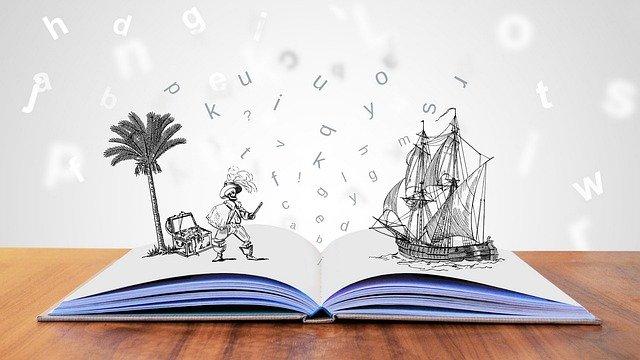
פוניקה יכולה לעזור לאדם לזהות יותר מילים, לשפר את האיות, להגביר את מהירות הקריאה וההבנה, לשפר את כישורי הכתיבה, לעזור בהגייה ולשפר את אוצר המילים. בעוד שלומד אולי עדיין צריך לשנן את ההגייה והאיות של כמה מילים, הוא או היא יוכלו להשמיע הרבה יותר בעצמו. יצירת מודעות פונמית צריכה להתחיל עם התנועות: a, e, i, o, u, ולפעמים y. על התלמידים לעבוד על צלילי התנועה הקצרים לפני שהם עוברים לצלילי התנועה הארוכים. צלילים אלה הם הבסיס ללימוד כיצד לקרוא מילים באנגלית. לאחר מכן התלמידים יכולים לעבור לעיצורים ותערובות עיצורים. לימוד קריאה יכול להגביר את הביטחון העצמי של האדם ולעזור ללומד להרגיש נוח יותר כאשר הוא מתבקש לקרוא בקול רם. ופוניקה היא לא רק לתלמידי גן וכיתה א'! סטודנטים אמריקאים ותלמידי ESL (אנגלית כשפה שנייה), צעירים ומבוגרים כאחד, יכולים להפיק תועלת מלימוד פוניקה. משחקי פלאש הם דרך מצוינת עבור אחד להתחיל ללמוד פוניקה!
פוניקה היא טכניקה שיכולה לעזור לילדים ללמוד איך לקרוא ולכתוב. זה עוזר להם לזהות את הקשר בין איות וצלילים מסוימים, ובכך משפר את כישורי הקריאה שלהם בכל כך הרבה דרכים.
המטרה העיקרית של פוניקה היא לעזור לילדים לזהות את הקשר בין איותים שונים והצלילים המתאימים להם. בדרך זו, הם יכולים לשפר את כישורי הקריאה שלהם על ידי לימוד כיצד לפענח מילים בדיוק גבוה יותר. זה גם מאפשר להם ללמוד כיצד אותיות מתכתבות עם צלילים שונים ולזכור איזו אות הולכת עם איזה צליל (למשל, "ב" מבוטא כמו "דבורה"). כאשר ילדים שולטים במיומנויות אלו הם יכולים לקרוא מילים מסובכות יותר ולפענח מילים המאותות באופן דומה, כגון "לילה" ו"אביר".
פוניקה היא מיומנות חשובה לתלמידים לפתח אם הם רוצים לשפר את כישורי הקריאה שלהם. זה עוזר להם לזהות את הקשר בין איות וצלילים מסוימים, ובכך משפר את כישורי הקריאה שלהם בכל כך הרבה דרכים.
פוניקה היא מרכיב מרכזי בכל תוכנית אוריינות ששווה את המלח שלה. כאשר תלמידים לומדים פוניקה, הם מבינים את הקשר בין אותיות לצלילים שהם מייצגים, מה שיעזור להם לקרוא טוב יותר בעתיד.
פוניקה היא דרך ללמד את התלמידים את המשמעות של אותיות והצלילים שהם משמיעים. זה עוזר לילדים ללמוד איך לקרוא ולכתוב, כמו גם לבטא מילים בצורה נכונה.
זוהי מערכת של הוראת קריאה על ידי קישור האותיות עם הצלילים התואמים להן, כך שילדים יכולים להתחיל להבין איך עובדת קולי!
פוניקה היא דרך מצוינת לילדים ללמוד פוניקה מכיוון שהיא מלמדת אותם כיצד נוצרים צלילים עם אותיות שנשמעות דומות.